(I thought I had reposted these since The Terror Test is no more, but I missed this one.)
Test Prep is a series of essays that I occasionally wrote to complement episodes of The Terror Test, a horror podcast. Originally written for Episode 46 on Les Diaboliques (1955) and High Tension (2003).
Amour Fou-Frou
Until I got to the New French Extremity movement, which features intense scenes of violence and gore, most of the French horror films I was considering for this article wouldn’t score highly in the podcast’s scare factor category. However, if the podcast graded a weird factor, we’d have some winners. Previous to this movement, French horror movies, to the best of my viewing experience, are mostly hybrids: surrealist horror, sci-fi horror, exploitation, etc. As I put together the list, I noticed that these movies share powerful, often disturbing imagery and unique, hard-to-describe atmospheres. They’ve influenced everything from Psycho (1960) to Halloween (1978) to Blue Velvet (1986), and even 8 ½ (1963). Often, these films were not popular with their original viewers, though most have found their audiences and achieved cult status. The most straightforward, and most like a traditional horror movie, is Inside (2007), part of the Extremity movement. I took some liberties and considered a few films produced in France, though it is arguable whether they qualify as French horror.
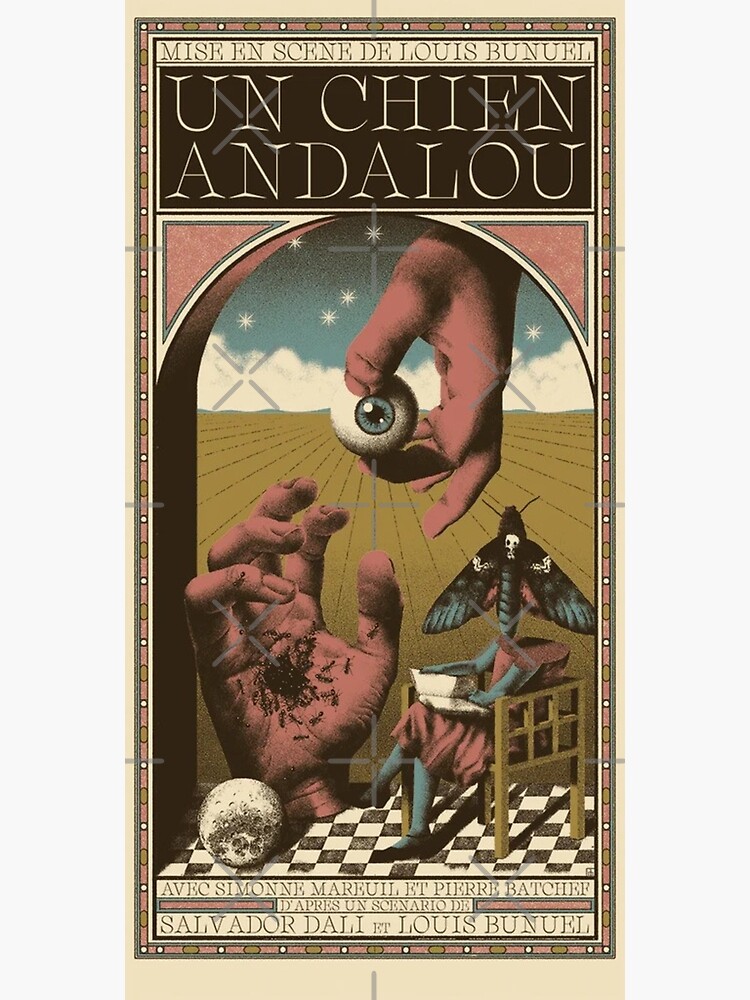
Un Chien Andalou (1929)
Not totally French and not totally horror, but one that fits here nonetheless. Classified most often as art cinema or surrealism, it’s a bedrock of filmic alienation and bizarre imagery. Is it scary? Probably not, but it has influenced directors like Fellini, Lynch, maybe even Cronenberg, though I don’t recall him ever saying so. It’s not an easy film to categorize, and if you like it, check out Jean Cocteau’s films, as well. France has a rich history of surreal and experimental film, some of which is likely to be interesting to horror fans.
Les Diaboliques (1955)
The guys will be discussing this on the podcast, and though it may seem slow for contemporary audiences, it’s a fantastic film. It’s also difficult to appreciate the movie’s importance today, since it’s one of the most copied films. It inspired Psycho, and who knows how many films that inspired. Henri-Georges Clouzot also directed Wages of Fear (1953), one of the best suspense movies ever made (it’s about driving a truck full of nitroglycerine over very unkind roads). William Friedkin’s remake Sorcerer (1977) is fantastic, too. Roy Scheider stars, and ‘70s Roy Scheider is hard to beat.

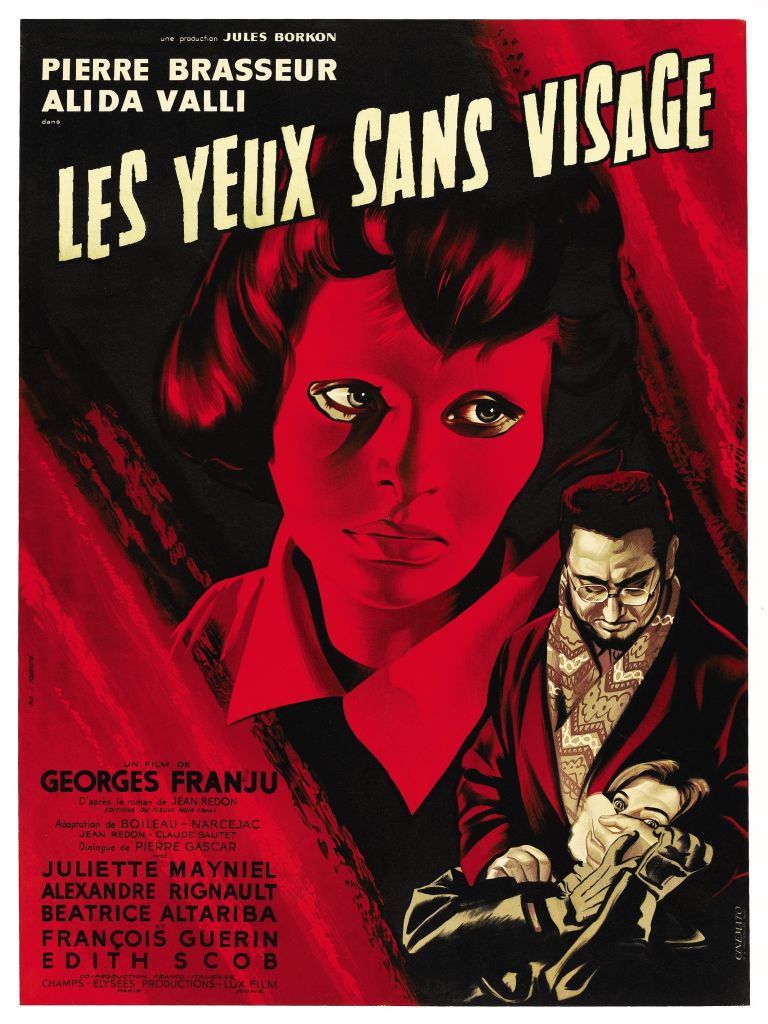
Eyes Without a Face (1960)
The iconic, featureless mask influenced the look of another more ubiquitous icon: Michael Myers. Mad scientists, face grafting, and insanity. It’s all here. Again, maybe not the scariest film, but well worth seeing for those interested in the history of horror movies. It also has a beautiful score by Maurice Jarre.
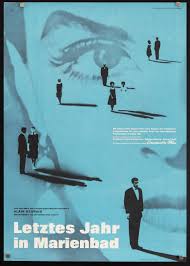
Last Year at Marienbad (1961)
I rank this as my second-favorite movie. It sits between Eraserhead (1977) and Dawn of the Dead (1978). I like it so much, I put it on this list even though it’s not a horror film. I would say that it has influenced horror to some degree, and again, the bizarre imagery and tone are magnificent. I’ve read that Kubrick based the atmosphere of the Overlook in The Shining (1980) on Marienbad. Along with Buñuel, it influenced Fellini’s 8 ½, and is an obvious influence on Lynch’s work. Marienbad is like the Black Lodge without streams of blood and strobe lights. It reminds one of the bizarre interpersonal interactions in Mulholland Drive (2001) or Inland Empire (2006). If Marienbad is like a dream, Lynch made nightmares of it.
Be warned: Lots of people hate this movie.
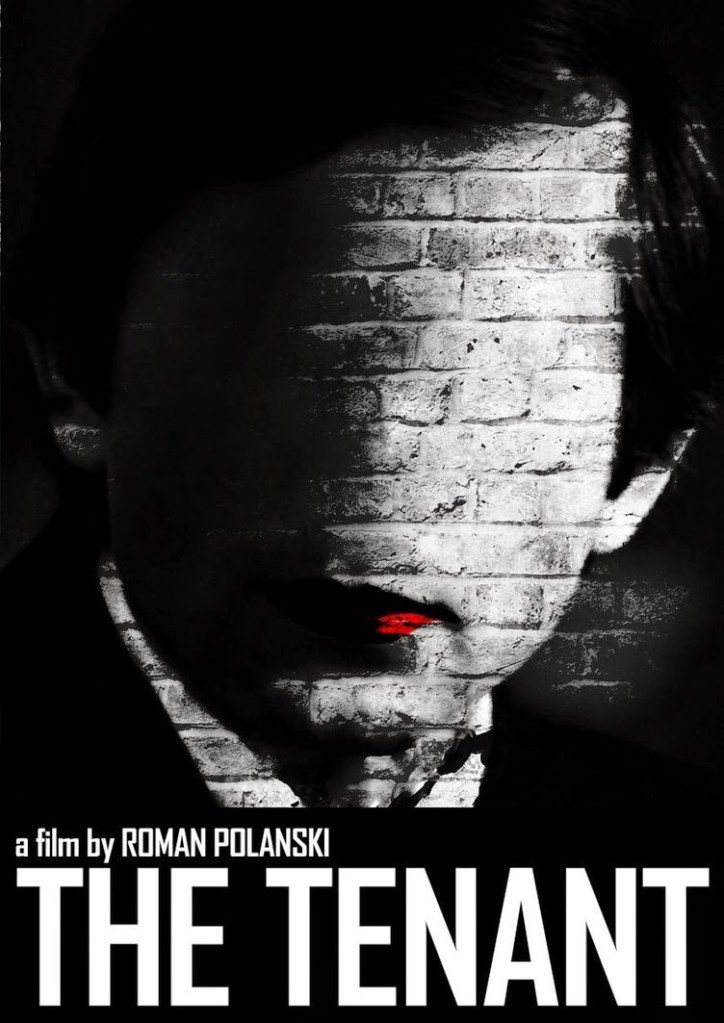
The Tenant (1976)
I’m less and less a fan of these kinds of psychological breakdown movies in terms of story, but I find the freedom the so-called dementia allows for in terms of imagery is what keeps me re-watching these films. Though worth viewing, maybe the weakest of Polanski’s Apartment Trilogy (later called this, though not conceived as a trilogy as far as I know), which includes Repulsion (1965) and Rosemary’s Baby (1968), both made outside of France. A party scene has a fantastic, hypnotic jazz version of the theme. I looked for it for years, and evidently it’s never been released. It doesn’t help that I spent several years looking for Maurice Jarre’s score, since it was written by Philippe Sarde.
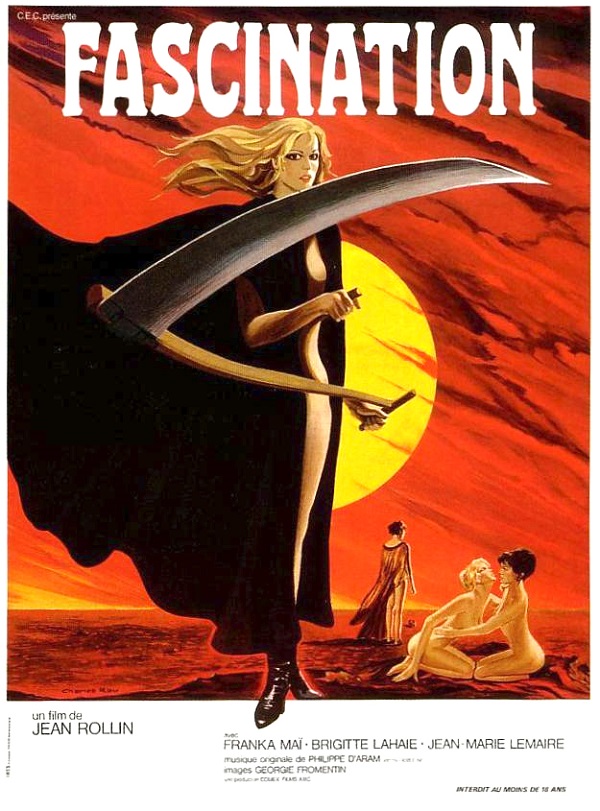
Fascination (1979)
Out of the few Jean Rollin films I’ve seen, this has been my favorite. He’s known for exploitation films that feature nudish bisexual vampires. Rollin and others working in that genre somehow manage to make that concept, more often than not, boring. Fascination is the most fun so far.
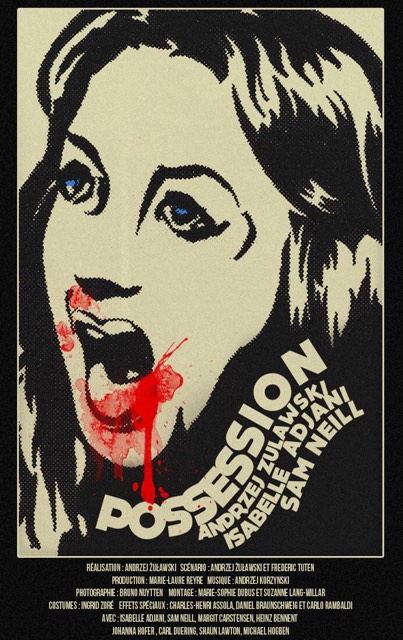
Possession (1981)
Again, I’m cheating a little here. I decided against adding more films with production in France, but it’s my list, so I’m adding this one. This movie was a splendid confusion the first time I saw it. I had no idea what would happen next, and I’ve found that a rarity in cinematic experiences. I’m not sure I care for all the possession-as-relationship metaphors, and some of the dialogue is reminiscent of the New Wave’s most satirized lines. If anything, though, you’ll never look at a gallon of milk in a grocery bag the same way.
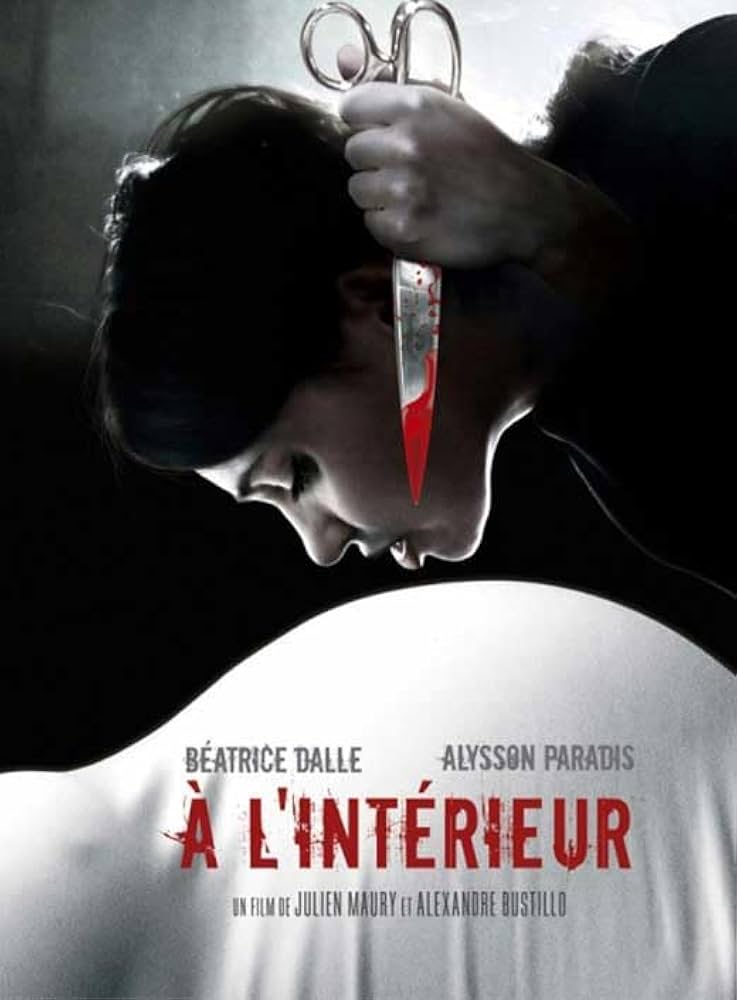
Inside (2007)
My favorite of the so-called New French Extremity. I’m not a fan of many of these films, though I’ve only seen a handful. Two other directors associated with the movement, Gasper Noe and Catherine Breillat, I find interesting, but I need to see more of their work.
Inside is about a woman wanting to steal a baby.
By cutting it out of someone’s body.
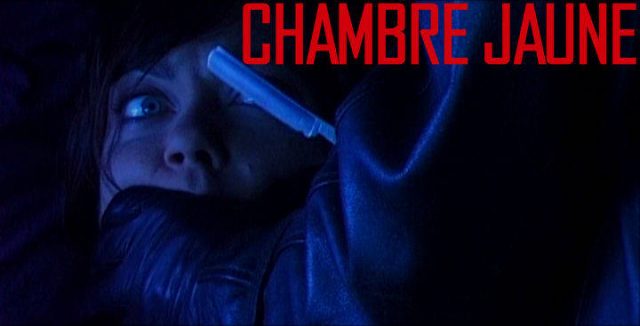
Various short films
Hélène Cattet and Bruno Forzani have made spectacular short films, and like most of their work, they are heavily influenced by giallo imagery. Most often, their films fall under the arthouse description, since they are as much influenced by movies like Chris Marker’s La Jetée (1962) as by horror movies. Their French feature, Amer (2009), is one I haven’t seen, though. Their follow-up, The Strange Colour of Your Body’s Tears (2013), is maximum giallo overload with a great soundtrack, too. One of the complaints about Dario Argento and Suspiria (1977) is that they rely on style over substance. Cattet and Forzani take that as a challenge and tell their stories primarily through symbolic image and sound. If you liked Berberian Sound Studio (2013), there’s a chance you may like their work.
 Stephen McClurg